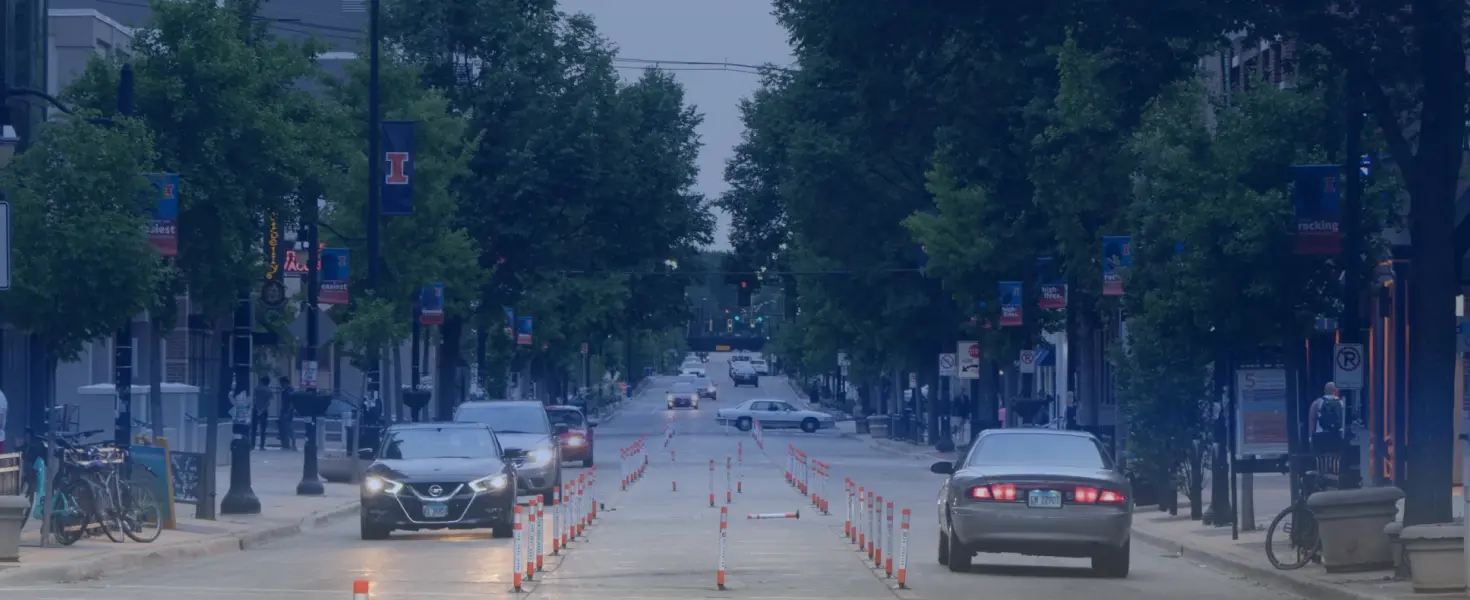
Cheap Car Rental in Cancun

- Secured payment guarantee
- 10+ million clients
- Multi-language support
- Booking of any class cars
- 600 providers worldwide


 Capital:Mexico
 Language:ES
 Currency:MXN
 Drive on:Right Side
Tips for renting a cheap car in Cancún
Can you use a cheap car rental in Cancún? If so, you’re in luck! With Economybookings, you can easily compare multiple providers to find the best possible deal in Cancún. With so much to experience in the city and across the larger region, a quick comparison can save you time and money on a car that will help you reach it all.
- Compare pickup locations – Select the broader urban area instead of a specific location to unlock more deal options, including off-airport savings.
- Slightly adjust pickup times and dates – Even changing your booking by an hour can reveal lower rates.
- Choose economy or compact cars – If you’re planning a longer road trip into the mountains or to the coast, a vehicle with four-wheel drive can come in handy. Otherwise, a compact car will likely meet all your needs in Guadalajara.
- Book early – Cancún tends to attract visitors year-round, but rental demand spikes higher during popular travel times like winter dry season, American spring break (when schools are out for a week), and large events like cultural festivals and corporate retreats. Booking in advance helps secure lower prices and better vehicle selection.
Tips When Renting and Driving a Car in Cancún
- Rent a car if you plan to visit places outside the city, where mass transit options may be limited.
- Avoid rush hour traffic on city streets at the Zona Hotelera, and on Federal Highways 180 and 307.
- You can pick up your car at major airports like Cancún International (CUN), and at various storefronts around the city.
- Choose a small car for better mileage and easier parking around the city.
- Pick a car with four-wheel drive for longer drives into rural jungle and coastal areas.
- Inspect the car and take photos before and after rental.
Driving Tips in Cancún
- Drive on the right side of the road, and prepare to wait your turn when you need to turn left.
- Look out for stop lights—green means go, yellow signals that you must stop, and red means full stop. At most intersections with stop lights, there will also be dedicated stop lights for left-turn lanes.
- Though Cancún has roundabouts, some actually have stop lights like standard intersections, while others function more as traditional light-free traffic calming instruments. Pay close attention when approaching a roundabout, and prepare to go with the flow.
- Though foreign embassies often recommend against driving at night anywhere in Mexico, it’s usually safe to drive at night if you’re staying in town, especially in the most tourist-friendly areas like the Zona Hotelera. But for other road trips that involve more federal highways and smaller backcountry roads, it’s best to do those during daylight hours.
- Horn use should be reserved for emergencies or warnings.
- Traffic usually moves faster in the left lanes on highways.
- Expect to pay anywhere from MXN 25 to 60 per hour (or about USD$1-4) for parking at independent secure lots. If you’re booking a stay at a large hotel or beach resort, check with them for their on-site parking policies and fees.
- Cancún has several options for refueling your car, but keep in mind that all Mexican gas stations are full-service, and it’s usually a good idea to tip your attendant should they provide additional assistance (such as checking your tires and cleaning your windshield).
- Keep your driver’s license, rental papers, proof of valid passport/entry, and proof of insurance with you at all times.
- From Cancún, you can take Federal Highway 180 or the 180D autopista (toll road) west to reach more locals-oriented cities on the Yucatán Peninsula like Valladolid and Mérida. In addition, you can catch Federal Highway 307 to venture south into the Riviera Maya and reach other popular beach towns like Playa del Carmen and Tulum.
- Though Cancún is a beach resort town, it still gets some weekday rush hour traffic, so watch out when driving in the early-to-mid morning hours and late in the afternoon.
Speed Limits
In Mexico, speed limits are typically 10 km/h (6 mph) in residential neighbourhoods and parking lots, 60 km/h (37 mph) on city streets with no posted speed limits, 60-80 km/h (37-50 mph) on major urban arterial roads, 70-90 km/h (43-56 mph) on two-lane rural highways, 90-100 km/h (56-62 mph) on urban highways, and 110 km/h (68 mph) on major highways without lower posted speed limits. Also note that Mexican authorities enforce any speeding detected above 130 km/h (81 mph), so resist any urge to drive super fast on the highway. Always watch for posted signs, as limits can vary.
Road Signs
Mexican road signs are typically noticeable and well-placed. They are almost always in Spanish, though they also utilise symbols for quick understanding. Also keep in mind that speed limit signs are in kilometres per hour (km/h), as Mexico uses the metric system. Throughout Cancún and the Riviera Maya, look out for signs marking dedicated rail crossings, bus lanes, bike lanes, and school lanes, which may have special speed limits and other restrictions.
Tolls, Fees, and Restrictions
Over time, Mexico has developed an extensive network of autopistas, or toll roads. From Cancún, drivers can take 180D for a faster drive west to Chichén Itzá and Mérida. This and other toll roads accept several payment options, though it’s important to note that credit and debit cards are only accepted via electronic transponders. As of late 2025, IAVE provides authorised devices to use on the autopistas. Otherwise, plan to pay in MXN cash. (Cash in foreign currencies will not be accepted!)
Wherever you begin your Riviera Maya trip, check with your rental car agency in advance to see if they provide an IAVE or another authorised transponder, and ask about their autopista coverage policies.
Discover Cancún and the Riviera Maya by Car
If you intend to primarily stay in town, you can probably do a car-free trip in Cancún. But if you’re thinking about exploring more of Mexico beyond Cancún’s brand-name beach resorts, a car can really help you get where you want to go. With a rental car, you won’t have to worry about limited rail service and pricey Uber and Lyft rides.
A car offers flexibility and freedom to discover hidden spots that are much harder to reach via public transportation in Mexico. Though mass transit options are expanding thanks to the opening of Tren Maya, they might still be limited for you if you’d like to venture far beyond the train tracks.
When to Visit
Traditionally, the dry and (relatively) mild winter and spring months mark Cancún’s high season for tourism. But if you’re looking for cheaper lodging and airfare, summer might be the right season for you. (Note that this is the low season because it’s when Cancún gets the most rain, and August and September in particular mark the peak of the Atlantic/Caribbean hurricane season.)
For the best road trip weather, you may want to consider a winter or spring trip, as you will likely run into less rain and mild temperatures during this season. Whenever you plan to hit the open road, make sure to pack water and sunscreen, and to check weather forecasts before leaving.
Languages & Communication
Spanish is spoken nearly everywhere in and around Cancún. But since this city caters heavily to international tourists, English also tends to be pretty widely spoken. Most signage is in Spanish, though visitors rarely face language barriers when wandering around the city’s central neighbourhoods.
Heading down the Riviera Maya, Playa del Carmen, Cozumel, and Tulum are other top destinations that cater primarily to international tourists. But if you’re planning to venture out to less touristy areas, it will help to learn some Spanish.
Currency & Payments
Since Cancún is in Mexico, the Mexican peso (MXN, or Mex$) is the official currency. With that said, Cancún is also a very popular destination for American tourists, so the U.S. dollar is accepted almost as widely as the peso. But if you’re trying to avoid the “tourist tax” of over-inflated prices, you’re probably better off sticking to the peso.
If you prefer not to deal with paper currency, rest assured that credit cards and debit cards are widely accepted throughout the Riviera Maya, and that contactless payments are becoming increasingly common at gas stations, hotels, restaurants, and stores. ATMs are readily available throughout the region, making it easy to withdraw cash if needed, and you’re probably safest using ATMs inside bank branches and lobbies.
Top Driving Routes in and Around Cancún
- Even if you’re not planning to stay in the city for long, Cancún itself is worth visiting for gorgeous white sand beaches like Playa Delfines and Isla Blanca, and for fascinating Mayan history at Museo Maya de Cancún and the San Miguelito and El Rey archaeological sites
- Isla Mujeres – About 70-100 minutes north east of the Zona Hotelera; just a short-ish ferry ride from Cancún, this island is picture-perfect for more relaxing experiences on its pristine beaches, and for snorkeling and scuba diving at sea
- Isla Holbox – Around 2.5-3.5 hours north west of Cancún; this island requires a longer drive and its own ferry ride to reach, but the journey is worth it if you value exceptionally beautiful white sand beaches, a general lack of giant Cancún-esque crowds, and leisurely snorkel and scuba outings with whale sharks
- Mérida – About 3.5-5 hours west of Cancún; this city might lack the flashy resorts of the Riviera Maya, yet it abounds in rich Mayan heritage, vintage Spanish Colonial architecture and design, cool cenotes, and tasty cochinita pibil (or Yucatán-style slow-roasted pork)
- Chichén Itzá – Around 2.5-3.5 hours west; perhaps Mexico’s most famous archeological site, this is the place to go to explore this majestic Mayan-Toltec city and its well-preserved landmarks like El Castillo (or the Pyramid of Kukulcán), the Edificio de las Monjas, El Caracol, and the Gran Juego de Pelota
- Puerto Morelos – Around 35-50 minutes south; for an easy-breezy escape that isn’t too far from Cancún, this is a great option for clean white sand beaches, ideal conditions for snorkeling and diving off-shore, and quieter hotels and resorts
- Playa del Carmen – About 60-100 minutes south; while this beach town tends to be very touristy, it is a solid pick for expansive resorts, safe beaches, and the family-friendly Xcaret eco-theme park, plus it’s a short ferry ride away from the magically beautiful beaches of Cozumel
- Tulum – About 2-3 hours south; while Tulum’s rapid rise as a resort destination has given way to a bit of a crash-out, it’s still a worthy destination for magnificent Mayan monuments at Tulum National Park (or Parque del Jaguar), stunning white sand beaches like Playa Paraiso, and a wide variety of funky hotels and resorts
In recent years, there’s been a lot of talk about matters of crime and safety throughout Mexico. While some areas (like the states of Guerrero and Sinaloa on the Pacific coast) struggle with heightened amounts of cartel violence, Quintana Roo is generally safe for travellers, especially in tourist-friendly towns like Cancún and Playa del Carmen. In fact, local authorities in these areas tend to go the extra distance to ensure visitors feel safe.
Still, you can be proactive about your safety by taking basic precautions, such as researching where you want to go in advance and storing your valuables in a secure location at your hotel or vacation rental. If you run into any security concerns, contact your home country’s embassy for guidance and assistance.
Experience the top locations with car rental in Cancun

Opening hours
Address
Documents on pick-up
Credit Card
Take your credit card in the main driver`s name with a limit large enough to cover the excessPassport
Take your passportDriving License
Take your local and international driving license
Discover the cheapest car rental in Cancun


* Disclaimer: Prices displayed may not reflect today's rates.
What our customers say
After reading the reviews I was a bit fearful about how our experience would be after landing in Cancun. Once we got through security and through the gates we were met at the MEXC desk and immediately taken out front to wait for a shuttle. Only took roughly 30 minutes from the moment we got through security, waiting for shuttle and getting our vehicle. They state very clearly that the insurance is not included in the price when you book, and was only roughly $35/day for full coverage. We still paid roughly $300 less then our friends, 2 families who both booked with 2 different rental companies. Our vehicle was nicer, and cleaner then both of theirs. Drop off was super simple, within 5 minutes we had dropped off and gotten a shuttle over to the terminal. No hidden or extra costs at drop off. i was pleasantly surprised and would 100% use this company again if we go back to Cancun.

I was very impressed with the service , contrary to other reviews we had an amazing service , we were charged exactly what we supposed to pay .
Site clair et rapide. Grande facilité pour modifier la réservation. Prix satisfaisants
It was a good experience. All went well. We would do it again. May be going home and would use you again.
Bei anderen Autovermietungen wartet man Stundenlang bis die ganze Abwicklung gemacht wird, bei Alamo hatten wir das Auto in kurzer Zeit.
After reading the reviews I was a bit fearful about how our experience would be after landing in Cancun. Once we got through security and through the gates we were met at the MEXC desk and immediately taken out front to wait for a shuttle. Only took roughly 30 minutes from the moment we got through security, waiting for shuttle and getting our vehicle. They state very clearly that the insurance is not included in the price when you book, and was only roughly $35/day for full coverage. We still paid roughly $300 less then our friends, 2 families who both booked with 2 different rental companies. Our vehicle was nicer, and cleaner then both of theirs. Drop off was super simple, within 5 minutes we had dropped off and gotten a shuttle over to the terminal. No hidden or extra costs at drop off. i was pleasantly surprised and would 100% use this company again if we go back to Cancun.
I was very impressed with the service , contrary to other reviews we had an amazing service , we were charged exactly what we supposed to pay .
Site clair et rapide. Grande facilité pour modifier la réservation. Prix satisfaisants
It was a good experience. All went well. We would do it again. May be going home and would use you again.
Bei anderen Autovermietungen wartet man Stundenlang bis die ganze Abwicklung gemacht wird, bei Alamo hatten wir das Auto in kurzer Zeit.
After reading the reviews I was a bit fearful about how our experience would be after landing in Cancun. Once we got through security and through the gates we were met at the MEXC desk and immediately taken out front to wait for a shuttle. Only took roughly 30 minutes from the moment we got through security, waiting for shuttle and getting our vehicle. They state very clearly that the insurance is not included in the price when you book, and was only roughly $35/day for full coverage. We still paid roughly $300 less then our friends, 2 families who both booked with 2 different rental companies. Our vehicle was nicer, and cleaner then both of theirs. Drop off was super simple, within 5 minutes we had dropped off and gotten a shuttle over to the terminal. No hidden or extra costs at drop off. i was pleasantly surprised and would 100% use this company again if we go back to Cancun.
I was very impressed with the service , contrary to other reviews we had an amazing service , we were charged exactly what we supposed to pay .
Site clair et rapide. Grande facilité pour modifier la réservation. Prix satisfaisants
Car rental companies in Cancun
We have prepared a shortlist of top rental companies in Cancun. To save both time and money compare offers on EconomyBookings.com to find the best deal.


 Van Rental in Las Vegas
 Van Rental in United Kingdom
 Van Rental in Portugal
 Van Rental in Canada
 Van Rental in Australia
 Van Rental in Italy
 Truck Rental in Germany
 Truck Rental in France
 Truck Rental in Ireland
 SUV Rental in Spain-Mainland
 Premium Car Rental in Dubai
 Limousine Rental in Prague
 Electric Car Rental in Iceland
 Electric Car Rental in New Zealand
 Economy Car Rental in Costa Rica
 Economy Car Rental in Greece
By signing up you agree to EconomyBookings Privacy Policy.
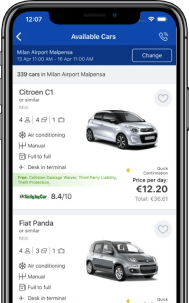
Get the App
or scan QR code to download the APP